Pain vs. Gain: What to Expect During Your Porcelain Veneer Procedure
If you’ve ever dreamed of having a perfectly balanced, white, and confident smile, porcelain veneers might sound like the ideal solution. But if you’ve also found yourself wondering, “Does getting veneers hurt?” you’re not alone.
At Significant Smiles in Brisbane CBD, we understand that patients want to know what to expect before committing to a cosmetic dental procedure. Let’s break down the porcelain veneer journey step-by-step, what’s comfortable, what takes getting used to, and why many people find the results both worthwhile and rewarding.
Understanding Porcelain Veneers
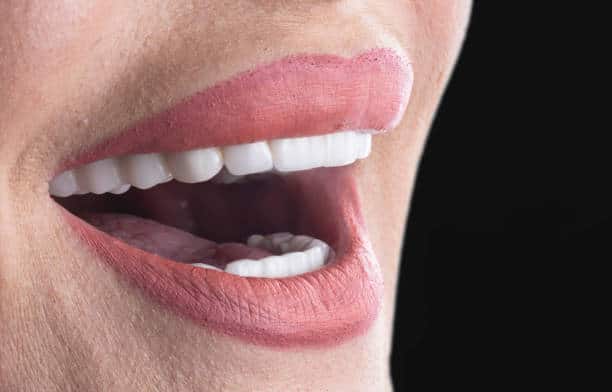
Porcelain veneers are thin, custom-made shells that fit over the front surface of your teeth. They’re crafted from high-quality ceramic material that mimics the look and translucency of natural enamel. Veneers can correct a wide range of cosmetic concerns, including:
- Discolouration or staining that whitening can’t fix
- Small chips or cracks
- Uneven spacing or minor misalignment
- Teeth that appear worn, short, or misshapen
The goal is simple, to enhance your smile while keeping it natural and in harmony with your facial features. And while the end result is a brighter, more confident smile, getting there involves a few carefully managed steps.
The “Pain vs. Gain” Balance
When most people ask about pain during a porcelain veneer procedure, they’re really asking two things:
- Will it hurt during the process?
- Will it feel uncomfortable afterward?
Let’s unpack both sides, and show you how modern veneer treatment at Significant Smiles is designed to minimise discomfort and support a relaxed experience.
Step 1: The Consultation | Generally Comfortable and Non-Invasive
Your porcelain veneer journey begins with a consultation. During this appointment, your cosmetic dentist examines your teeth, discusses your goals, and determines if veneers are the right option for you.
Digital imaging or mock-ups may be used to help you preview your potential new smile. This step is completely comfortable, no drilling, no anaesthetic, no pressure. It’s simply a chance to explore possibilities and ask every question you might have.
Gain: Clarity and confidence. You’ll leave knowing exactly what’s possible for your smile and what to expect from your treatment plan.
Step 2: Tooth Preparation | Minimal and Precise
This is the part that worries most patients, but it’s far gentler than many imagine. To make space for your veneers, a very thin layer of enamel, usually less than 0.5 millimetres, is removed from the front of your teeth.
Local anaesthetic is applied so you remain completely comfortable throughout the process. Most patients describe it as similar to getting a filling, only quicker and easier.
Pain level: Minimal to none. You’ll feel vibration from the dental tools, but no actual pain.
Gain: Carefully shaped teeth that allow veneers to sit naturally, ensuring your new smile looks seamless rather than bulky.
Step 3: Taking Impressions and Fitting Temporary Veneers
Once your teeth are prepared, your dentist takes impressions or digital scans to guide the dental laboratory in crafting your veneers. While your permanent veneers are being created, temporary veneers are fitted to protect your teeth and maintain your appearance.
You may notice slight sensitivity to temperature or texture for a few days, which is normal and manageable with mild over-the-counter pain relief if needed.
Pain level: Mild sensitivity possible, especially to cold foods or drinks.
Gain: You can go about your day-to-day life with an attractive temporary smile while waiting for your final results.
Step 4: Veneer Placement | The Final Bonding Appointment
When your custom porcelain veneers are ready, you’ll return to the clinic for bonding. Each veneer is checked for fit, shape, and colour to ensure it perfectly complements your natural teeth.
Once approved, the veneers are permanently bonded using a special dental adhesive and light-cured for strength. Many patients find this step straightforward and comfortable, it’s often completed in just one session.
Pain level: Virtually none. Any mild discomfort typically comes from keeping your mouth open for a short period.
Gain: A natural-looking result that enhances the appearance of your smile.
Step 5: Adjusting to Your New Smile

It’s normal to feel slightly “different” when you first run your tongue over your new veneers. Your bite may feel subtly altered, and you might experience mild gum sensitivity for a few days. These sensations fade quickly as your mouth adjusts.
Your dentist may schedule a follow-up appointment to ensure your veneers are sitting perfectly and your bite is balanced.
Pain level: Temporary gum or bite awareness, nothing that lasts more than a few days.
Gain: Long-lasting comfort and confidence. With proper care, porcelain veneers can remain functional and aesthetically pleasing for many years, though longevity varies by individual.
How Significant Smiles Makes the Process Comfortable
At Significant Smiles, patient comfort is a top priority. Here’s how the clinic ensures a smooth experience from start to finish:
- Gentle local anaesthesia: Keeps you comfortable during tooth preparation.
- Modern techniques and technology: Digital imaging, precise enamel contouring, and custom shade matching mean a faster, smoother process.
- Relaxed environment: You’ll always know what’s happening at each step, no surprises, just calm reassurance.
- Comprehensive aftercare advice: Your dentist will guide you on how to care for your veneers to maintain their longevity and brilliance.
Managing Sensitivity and Aftercare Tips
After your veneers are placed, any lingering sensitivity usually subsides within a few days. To help the process go even smoother:
- Brush gently with a soft-bristled toothbrush.
- Avoid very hard or sticky foods for the first few days.
- Limit extremely hot or cold drinks if your teeth feel tender.
- Maintain regular dental check-ups to monitor veneer health and gum condition.
Remember, while veneers are stain-resistant, your natural teeth aren’t. Routine cleanings and good oral hygiene will keep your overall smile bright and consistent.
The Real Gain: Confidence That Can Last
Beyond the physical transformation, many patients report feeling more comfortable and confident with their smile after treatment.
Porcelain veneers are not just a cosmetic upgrade, they’re an investment in self-esteem and lasting oral health.
Pain: Usually mild and short-lived.
Gain: A natural-looking smile that may last 10–15 years with good oral care.
Thinking About Porcelain Veneers in Brisbane?
If you’ve been considering porcelain veneers but still have questions about comfort or suitability, the team at Significant Smiles in Brisbane CBD is here to help. Our qualified dentists use contemporary cosmetic techniques designed to achieve aesthetic, natural-looking outcomes while prioritising patient comfort.
Book a consultation today and take the first step toward your new smile, the kind of confidence that makes every photo, every conversation, and every laugh feel effortless.
Disclaimer
All content on this website is intended for general information and does not replace professional dental consultation.
Frequently Asked Questions
1. Do porcelain veneers hurt?
Most patients experience minimal discomfort during the procedure. Local anaesthetic is used during enamel preparation to help ensure comfort. Any mild sensitivity afterward typically settles within a few days.
2. How long does a porcelain veneer procedure take?
The process usually takes two appointments: one for preparation and temporary veneers, and another for placing your final veneers. On average, treatment is completed within two to three weeks.
3. Will I need anaesthesia for porcelain veneers?
Yes, your dentist will typically use a gentle local anaesthetic to ensure a pain-free experience during the enamel preparation stage.
4. How long do porcelain veneers last?
With appropriate care and regular dental check-ups, porcelain veneers may last 10–15 years or longer, depending on individual factors.
5. What can I eat after getting porcelain veneers?
You can eat most foods once your veneers are securely bonded, but it’s best to avoid very hard, crunchy, or sticky foods for the first few days. Once adjusted, your veneers function just like natural teeth.
6. Will porcelain veneers look natural?
High-quality porcelain veneers are custom-made to closely match the shape, shade, and translucency of your natural teeth, creating a realistic appearance.
7. How should I care for my porcelain veneers?
Brush twice a day with a soft-bristled toothbrush, floss daily, and visit your dentist regularly. Avoid using your teeth as tools or biting ice to protect your veneers from damage.
8. Can porcelain veneers fix crooked or uneven teeth?
Yes, for mild alignment issues, veneers can make your teeth appear straighter and more even. However, significant misalignment may require orthodontic treatment before veneers.
9. What happens if one of my veneers gets damaged?
If a veneer chips or cracks, contact your dentist as soon as possible. In many cases, a single veneer can be repaired or replaced without affecting the rest.
10. Are porcelain veneers worth it?
Many patients find veneers to be a valuable investment in their smile aesthetics. They offer long-lasting, natural-looking results when cared for properly.
from Significant Smiles https://www.significantsmiles.com.au/cosmetic-dentistry/what-to-expect-during-your-porcelain-veneers-procedure/
via Significant Smiles


Comments
Post a Comment